What Does a Notary Do? Stamps, Signatures and Sworn Papers
What a notary checks when you sign, which papers usually need a stamp, how notaries differ between countries and how to prepare so the appointment is quick.
- Published
- Journey
- 4 min
- Covered here
- 7 sections
- Route
- Legal
Covered here
- The core job: checking who is signing
- Oaths and sworn statements
- What a notary does not do
- A different role in many other countries
- Documents that often need notarising
- How to prepare for the appointment
- Where families meet notaries most
Sooner or later most adults are told that a document "needs to be notarised". It might be a form for a car sale, a letter of consent for a child travelling abroad, or a power of attorney for an ageing parent. The request can feel mysterious, yet the role behind it is fairly simple. A notary is an official whose job is to make sure that the right person signed the right document, willingly, and to record that fact in a way others can trust.
This guide gives a general picture. Duties, fees and procedures depend heavily on where you live, so check the local rules or speak with a local lawyer when the stakes are high.
The core job: checking who is signing
In the United States and many other common-law countries, a notary public is appointed by a state or regional authority to act as an impartial witness. During a typical appointment the notary will:
- Check the signer's identity, usually with a current government-issued photo ID.
- Confirm that the signer understands what they are signing and is doing so voluntarily.
- Watch the signature being made, or have the signer acknowledge an existing signature.
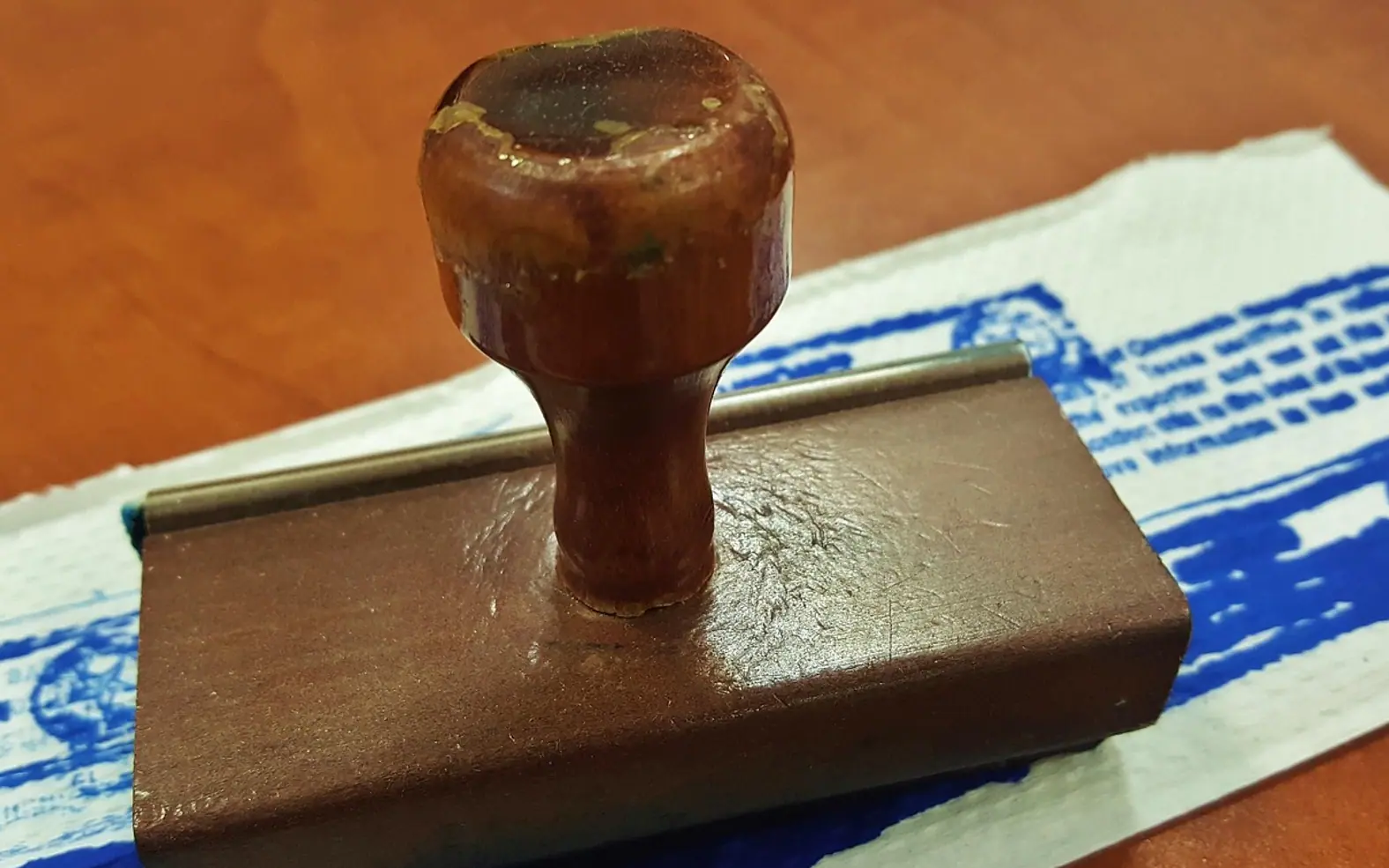
- Complete a short certificate on the document and apply their seal or stamp.
- Record the appointment in a journal where local rules require one.
The value lies in that independent check. A bank, court or registry receiving the paper can rely on the fact that a neutral official verified the signer's identity.
Oaths and sworn statements
Notaries can also administer oaths and affirmations. When a document is a sworn statement, sometimes called an affidavit, the signer promises that its contents are true and the notary records that the promise was made. That gives the statement legal weight, and knowingly signing a false one can carry serious consequences.
What a notary does not do
This is the part that surprises people. In common-law systems, a notary public:
- Does not check whether the contents of the document are accurate or fair.
- Does not give legal advice or explain which form you should use, unless they are also a qualified lawyer acting in that role.
- Does not make a document legally valid by stamping it; it only verifies the signing.
- Should not notarise a document in which they have a personal interest.
If you are unsure what a document means or whether it suits your situation, that question belongs with a lawyer before the notary appointment, not during it.
A different role in many other countries
In much of continental Europe, Latin America and parts of Asia, the civil-law notary is a very different figure. These notaries are trained lawyers who draft and authenticate important deeds, such as property transfers, marriage contracts and company formations, and they are expected to advise both parties impartially. Their documents often carry special legal force. If you are buying property or setting up a business abroad, expect the notary to play a much larger part than a quick stamp.
Documents that often need notarising
Requirements vary, but these papers commonly come with a notary request:
- Powers of attorney, especially for property or financial accounts. Our guide What Is a Power of Attorney? explains the document itself.
- Affidavits and sworn statements for courts or official bodies.
- Property deeds and some loan documents.
- Vehicle title transfers in some places.
- Consent letters for minors travelling without one or both parents.
- Documents to be used abroad, which may also need an apostille or further legalisation.
How to prepare for the appointment
A little preparation keeps the visit short:
- Do not sign in advance unless you have been told an acknowledgment of an existing signature is acceptable.
- Bring valid photo ID that matches the name on the document exactly.
- Bring the complete document, with every page, and fill in all blanks beforehand.
- Bring any other signers or witnesses the document requires.
- Ask about fees and format ahead of time; some places allow remote notarisation by video, others do not.
Where families meet notaries most
For many households, notaries appear during life transitions: a parent moving into care, a house sale, an inheritance or a long stay abroad. Our piece on helping an elderly parent move covers the wider practical side of one of those transitions, where signed paperwork tends to pile up quickly.
A notary is not there to judge your document or to advise on it. Their role is narrower and still valuable: a trusted, neutral confirmation that you are who you say you are and that you meant to sign. Knowing that makes the appointment easier, and it reminds you to seek proper legal advice on the content before the stamp goes down.
Spotted a mistake?
A short note is enough.